The electrically charged gas drifting between the stars rings at a pitch between a few hundred and a few thousand hertz, comfortably inside the range of human hearing, which is why NASA engineers can feed a recording straight from Voyager 1 into an ordinary loudspeaker and listen to interstellar space
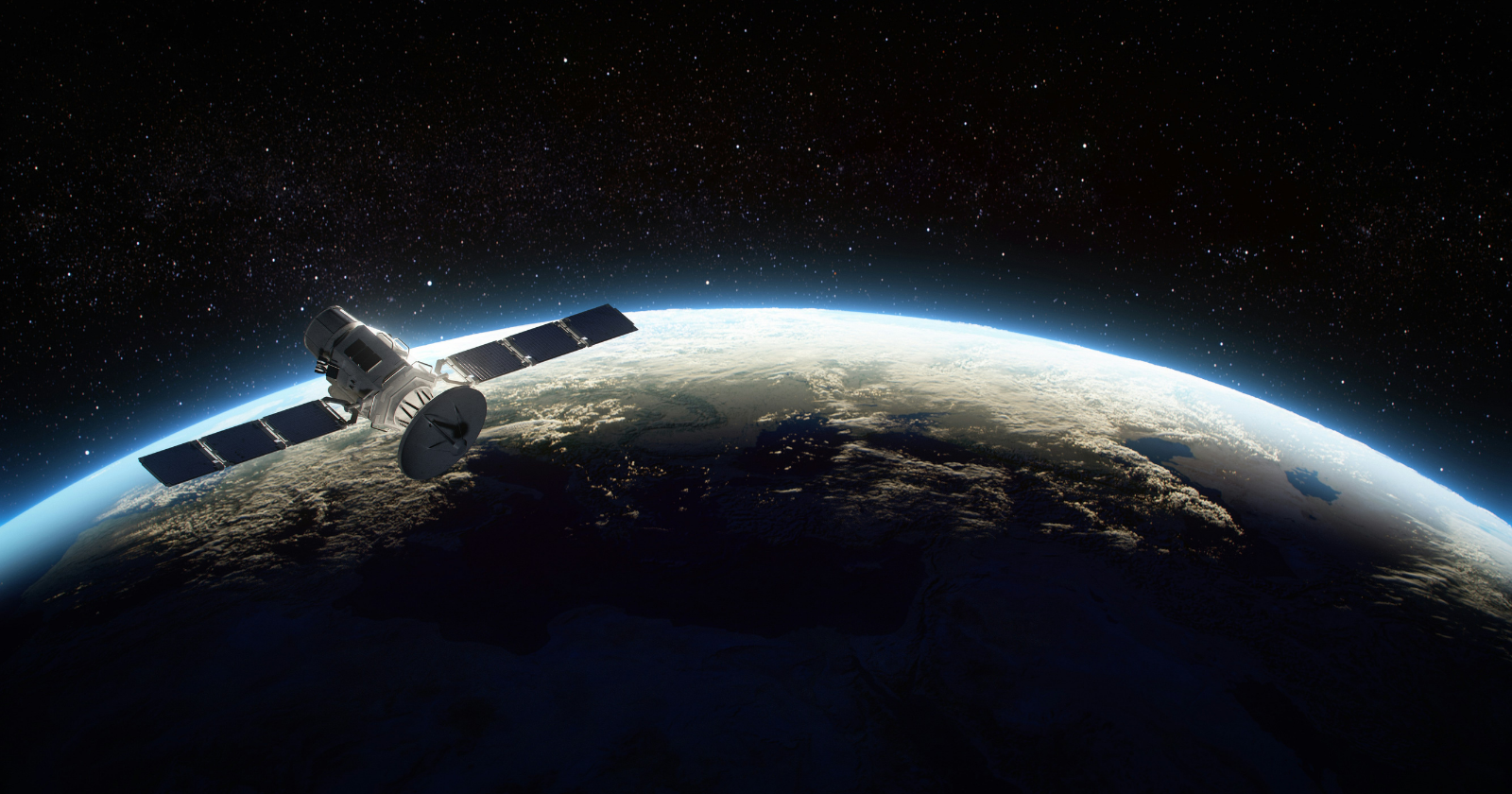
Image: SpaceDaily
Machine-written summary, checked against the sources below
The electrically charged gas between the stars rings at a pitch between a few hundred and a few thousand hertz, within human hearing range. NASA engineers can feed a recording taken directly from Voyager 1 into an ordinary loudspeaker to hear the sound of interstellar space.
The universe isn't silent after all—a lone spacecraft is broadcasting the eerie hum of interstellar space directly into human hearing range. The post The electrically charged gas drifting between the stars rings at a pitch between a few hundred and a few thousand hertz, comfortably inside the range of human hearing, which is why NASA engineers can feed a recording straight from Voyager 1 into an ordinary loudspeaker and listen to interstellar space appeared first on Space Daily .
Summary by SpaceDaily