Saturday, Oct 31, 2026 Updated Oct 31, 13:32 UTC

NewSpace RFP

We track the space industry: contracts, hiring, launches, patents, funding, suppliers and company activity.

SupportNewSpace RFP

Special reports

Original analysis, written here and held to the site's rules: figures from named primary sources, an outside model asked to refute each draft before it ships, and the operator signing off. Every report stays in this archive at its original address.

NASA
Special report

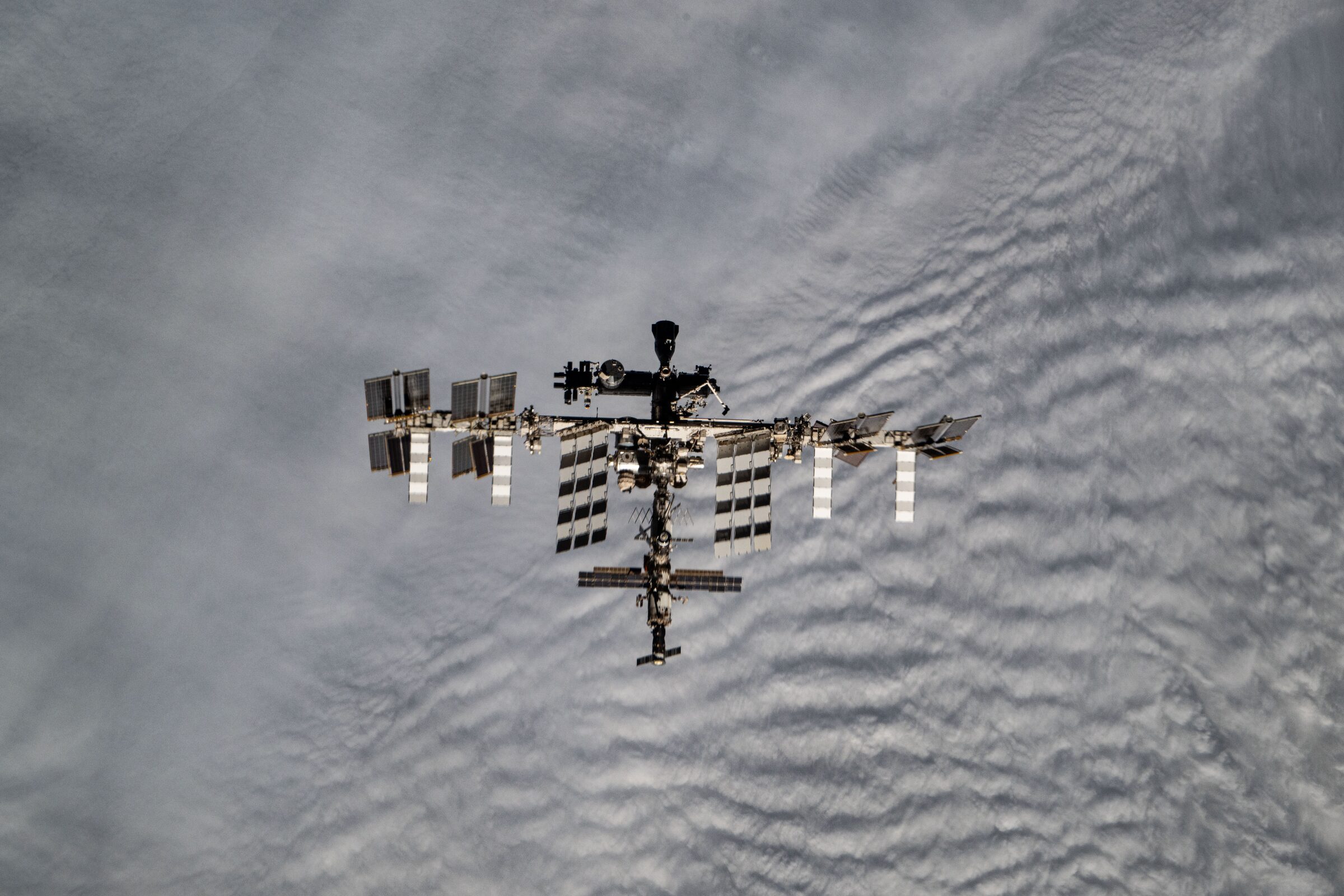
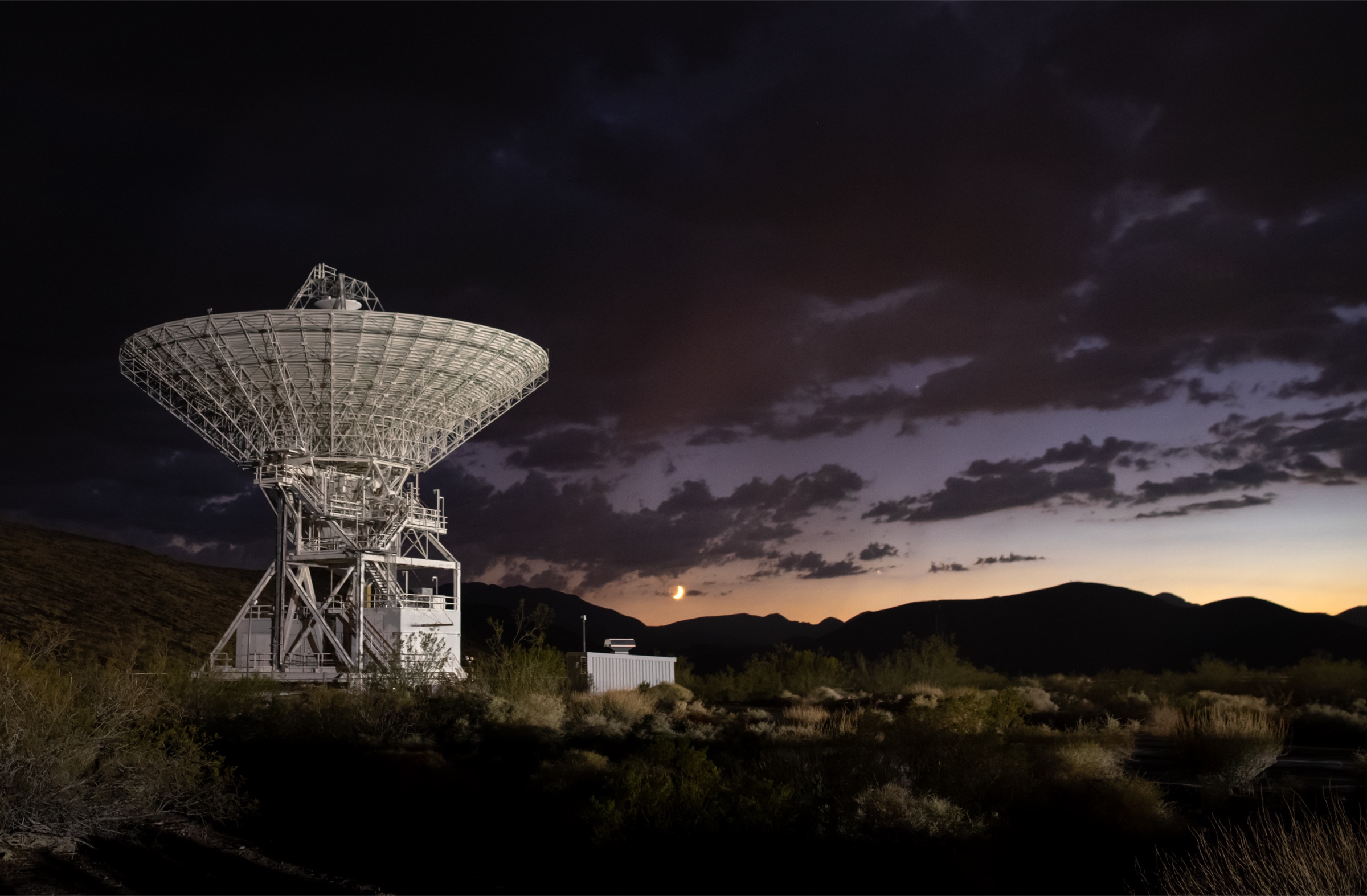
NASA's commercial space station proposals are due on December 8, and the station companies' schedules, hiring and filings show where each one stands.

NASA's final request for proposals guarantees $100 million, allows up to $34.063 billion in orders and plans an award on April 15, 2027, with initial design orders planned for two companies and the later development order for one, with room for more. Published dates for Vast's and Axiom's first station hardware have each moved later at least twice, and job postings on five station-related companies' careers boards rose 39 percent since July.

U.S. Space Force/Samuel Becker
Special report

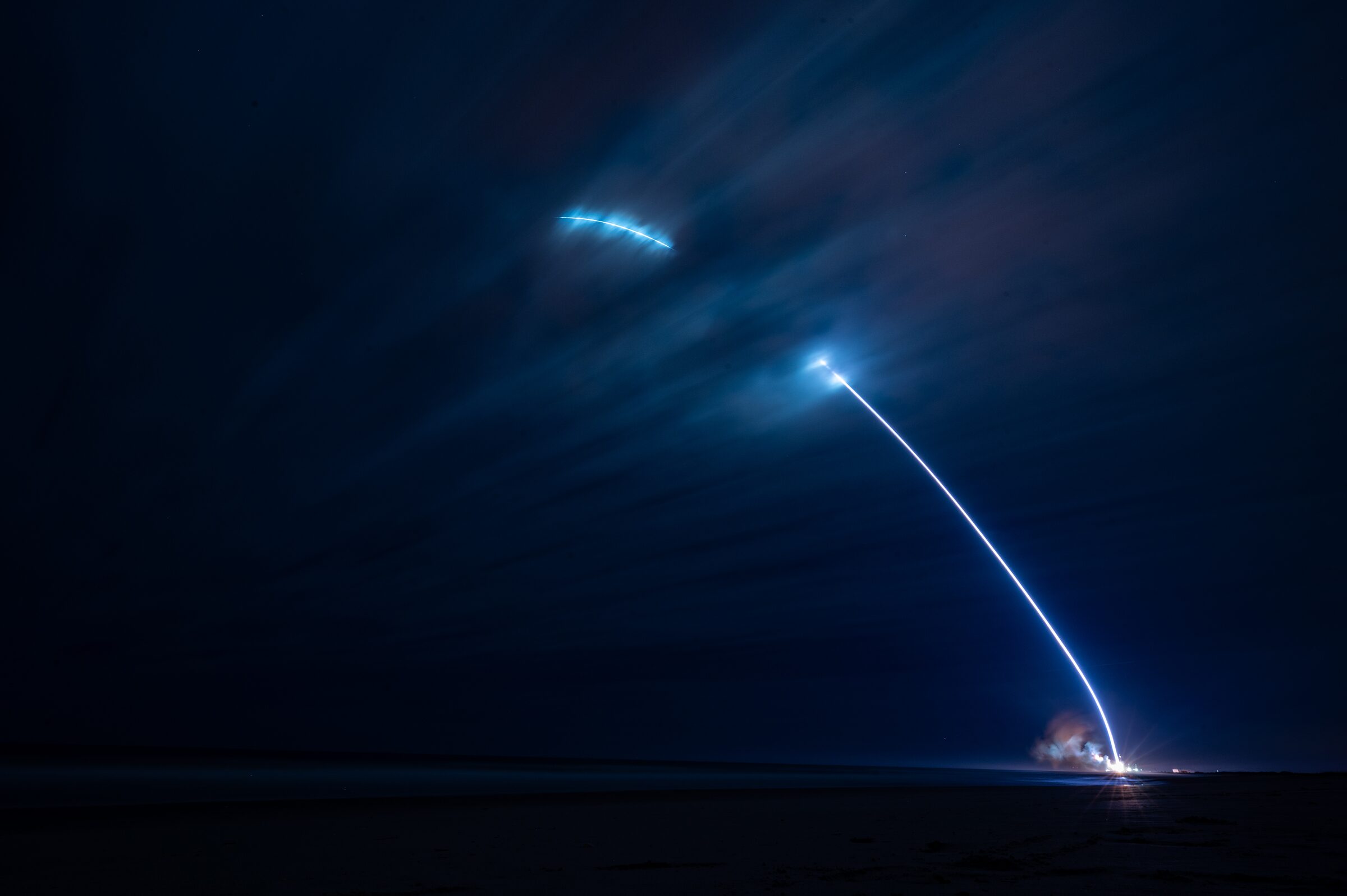
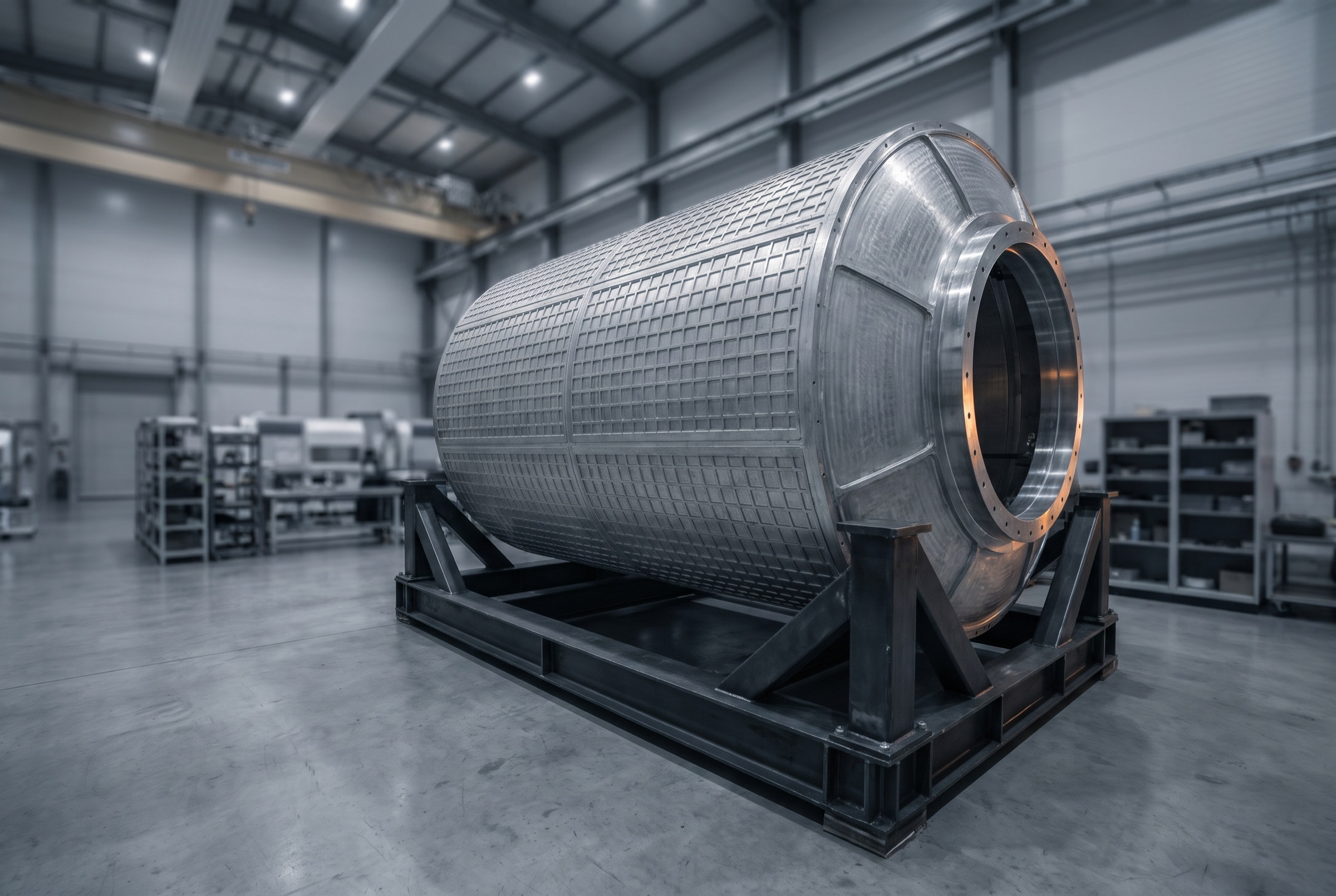
Five rockets on US and European launch contracts have not flown, and outside China 2 of 11 new companies' first rockets since 2020 reached orbit on their first flight

Rocket Lab moved Neutron's first launch to 2027 on October 14. Neutron, Stoke Space's Nova and Relativity's Terran R are on the Space Force's Lane 1 launch contract, and RFA One and PLD Space's Miura 5 hold European Space Agency contracts; none of the five has flown. Since January 2020, 11 companies outside China have launched a first orbital rocket: 2 reached orbit on the first flight, 4 reached it 8 to 17 months after a failed first flight, and 5 have not reached orbit.

SpaceX, CC BY-NC 2.0
Special report

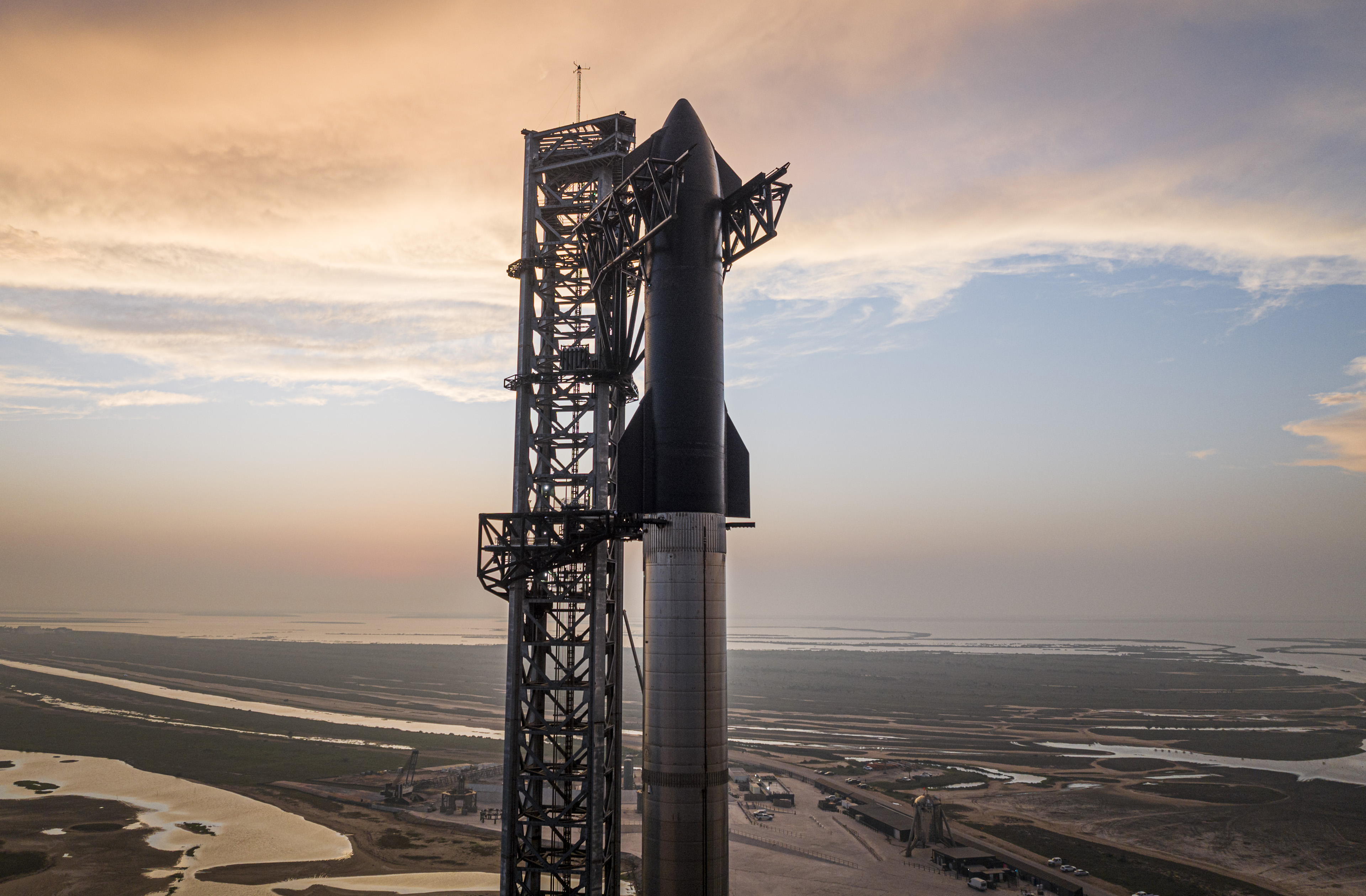
What Starship's first orbit means for SpaceX's NASA Moon lander

Starship reached orbit on its fourteenth flight and deployed 26 Starlink V3 satellites before returning about seven hours earlier than planned. NASA's lunar lander from SpaceX is a Starship, and NASA says it will endeavor to include one or both of its contracted landers in an Earth-orbit mission in 2027, ahead of a 2028 landing.

NASA/JPL-Caltech
Special report

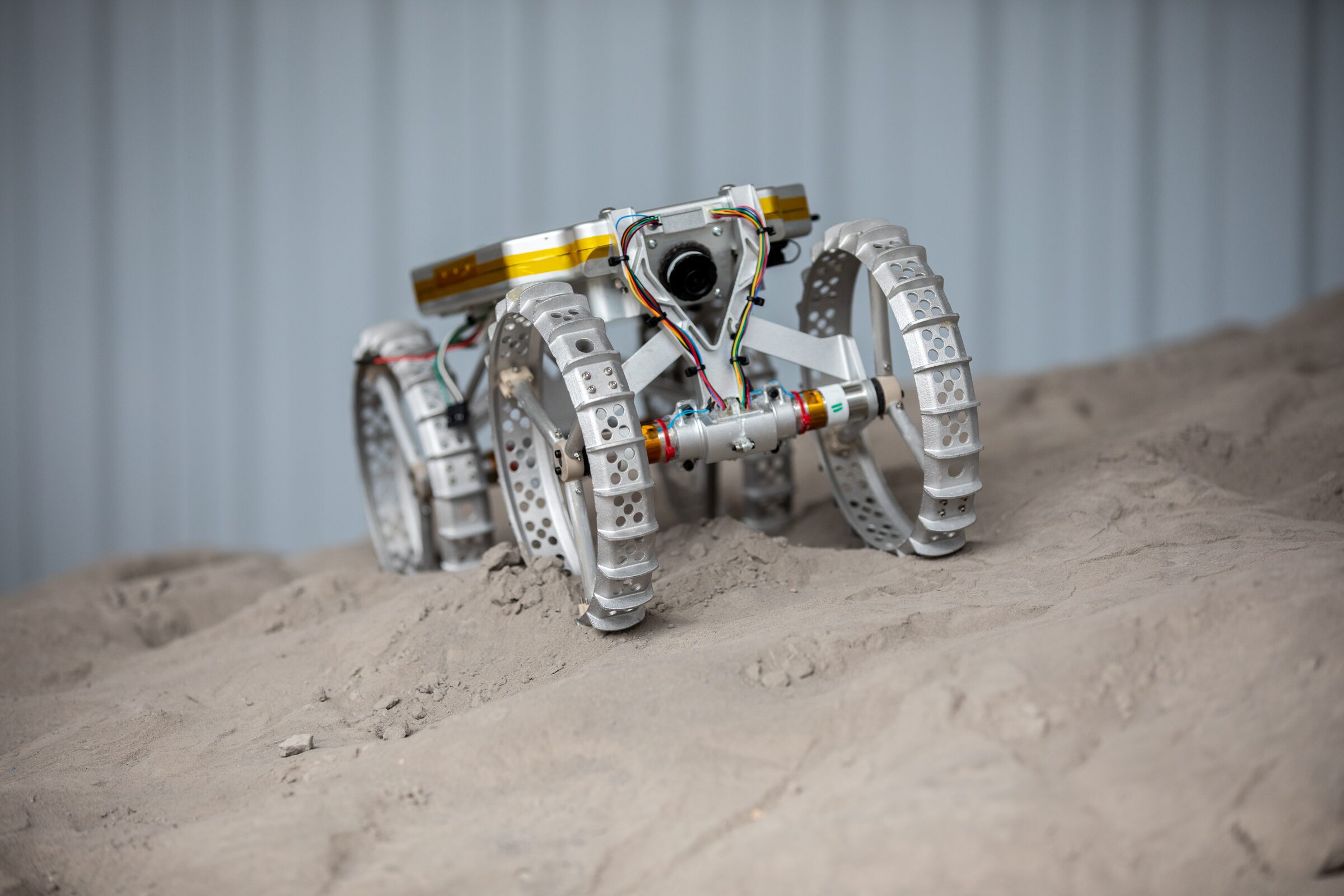
Who builds the space industry's software, and who pays for it

Federal spending records, the solicitations of the last three months and the hiring this site follows show where space software work sits: ground control, space tracking, command and control, flight code and design tools. Among the awards a software-related keyword search returned, the largest are ground-system contracts; the smaller ones include tracking, operations and training work by companies such as Slingshot Aerospace, LeoLabs and Quindar.

NASA
Special reportArchive

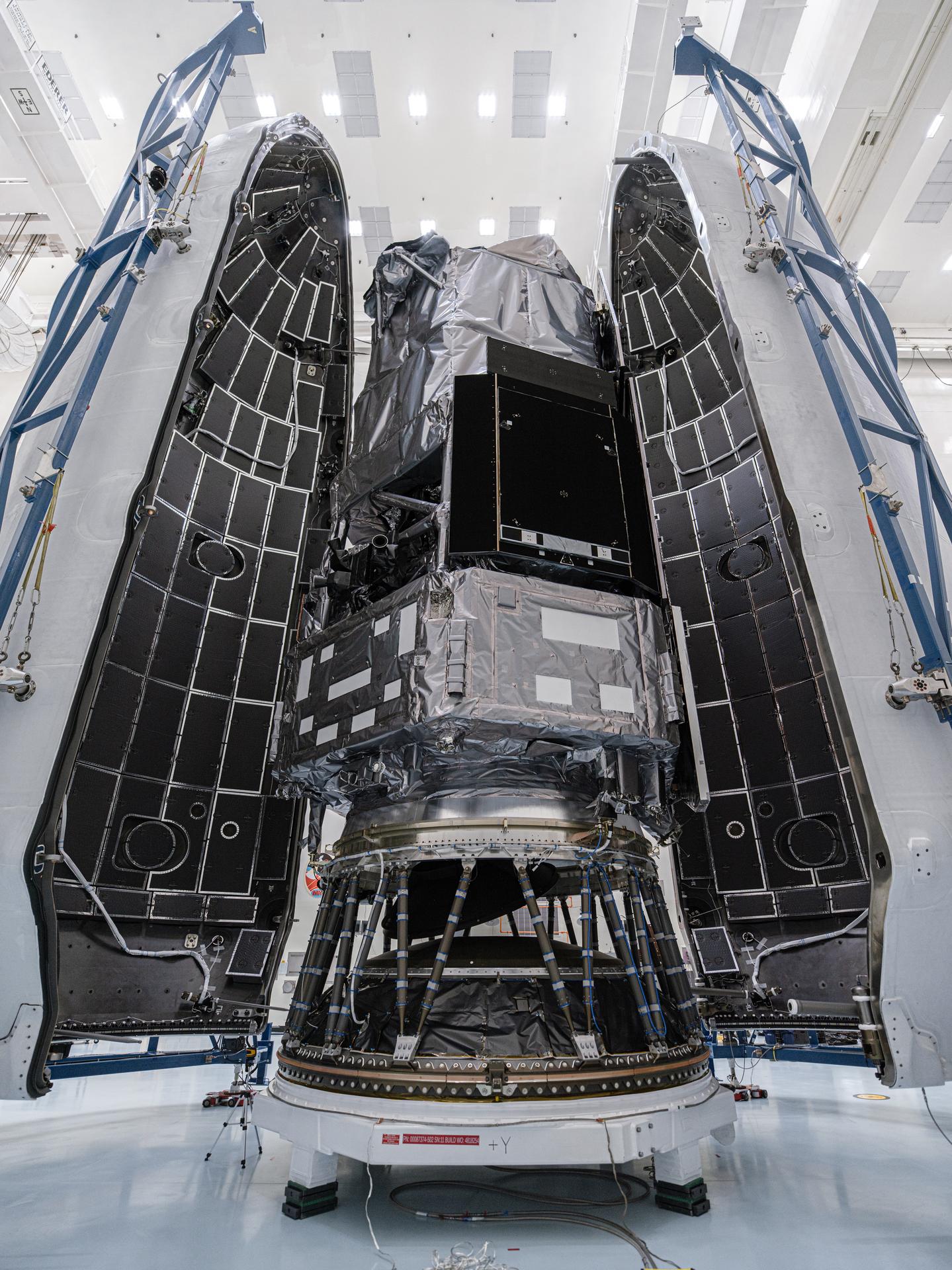
What the Roman Space Telescope is for

Roman launched this week with Hubble's mirror size and two hundred times its infrared field of view. It is built for survey astronomy, which measures billions of objects instead of hundreds. Here is how it compares with Hubble, Webb and Rubin, and why it is going to L2.