The asteroid belt looks dense in every diagram ever printed in a textbook, but every spacecraft sent through it since 1972 has crossed without hitting a single asteroid — because the real belt is 99.9% empty space, spread across a region larger than Earth’s entire orbit
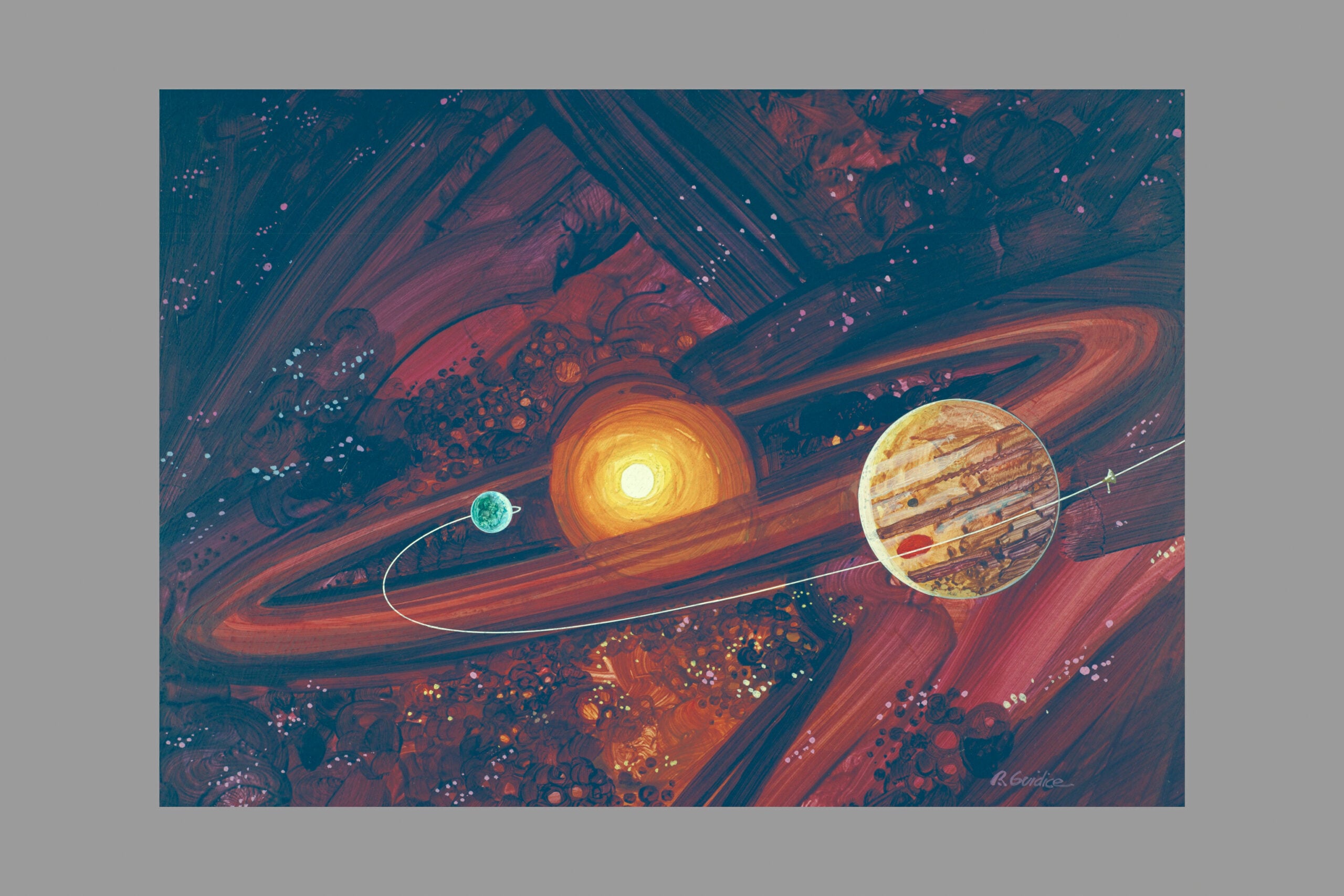
Image: SpaceDaily
Machine-written summary, checked against the sources below
Textbook diagrams exaggerate asteroid sizes, making the belt look crowded, but the real belt is about 99.9% empty space across a region larger than Earth's orbit. Every spacecraft sent through it since 1972 has passed without hitting an asteroid, and NASA's scale estimates explain why planned flybys still require precise targeting.
Textbook diagrams enlarge asteroids until the belt looks packed. NASA's own scale estimates show why spacecraft cross it safely and why planned flybys require precise targeting. The post The asteroid belt looks dense in every diagram ever printed in a textbook, but every spacecraft sent through it since 1972 has crossed without hitting a single asteroid — because the real belt is 99.9% empty space, spread across a region larger than Earth’s entire orbit appeared first on Space Daily .
Summary by SpaceDaily