On September 21, 2003, controllers drove Galileo into Jupiter at nearly 108,000 miles per hour. The spacecraft had found evidence of a saltwater ocean beneath Europa’s ice, and with its propellant running low, NASA could not guarantee that the unsterilized orbiter would never crash into the potentially habitable moon carrying microbes from Earth.
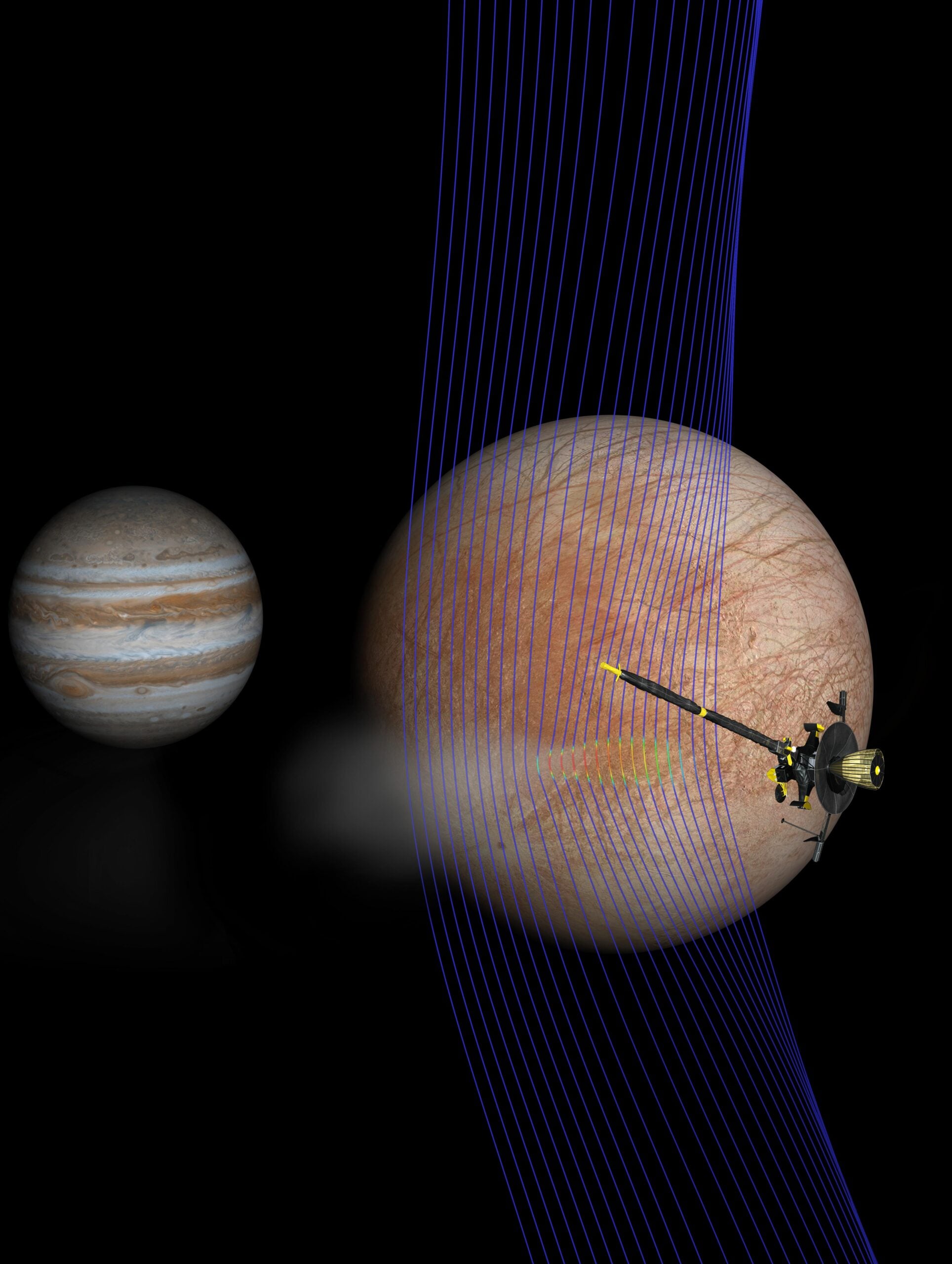
Image: SpaceDaily
Machine-written summary, checked against the sources below
On September 21, 2003, controllers deliberately drove the Galileo spacecraft into Jupiter at nearly 108,000 miles per hour. The maneuver was carried out because Galileo, running low on propellant, could not be guaranteed to avoid crashing into Europa, a moon where the mission had found evidence of a saltwater ocean beneath the ice, and NASA wanted to prevent contaminating it with unsterilized Earth microbes.
Galileo’s final plunge was a planetary-protection decision: NASA used the orbiter’s remaining control to keep an unsterilised spacecraft away from Europa. The post On September 21, 2003, controllers drove Galileo into Jupiter at nearly 108,000 miles per hour. The spacecraft had found evidence of a saltwater ocean beneath Europa’s ice, and with its propellant running low, NASA could not guarantee that the unsterilized orbiter would never crash into the potentially habitable moon carrying microbes from Earth. appeared first on Space Daily .
Summary by SpaceDaily