On December 14, 1966, a NASA engineer’s spacesuit sprang a leak inside a Houston vacuum chamber and the air pressure around him dropped to the equivalent of 120,000 feet — high enough that the saliva on his tongue began to boil before he blacked out, yet he was conscious again within about ninety seconds and left with nothing worse than a sore ear
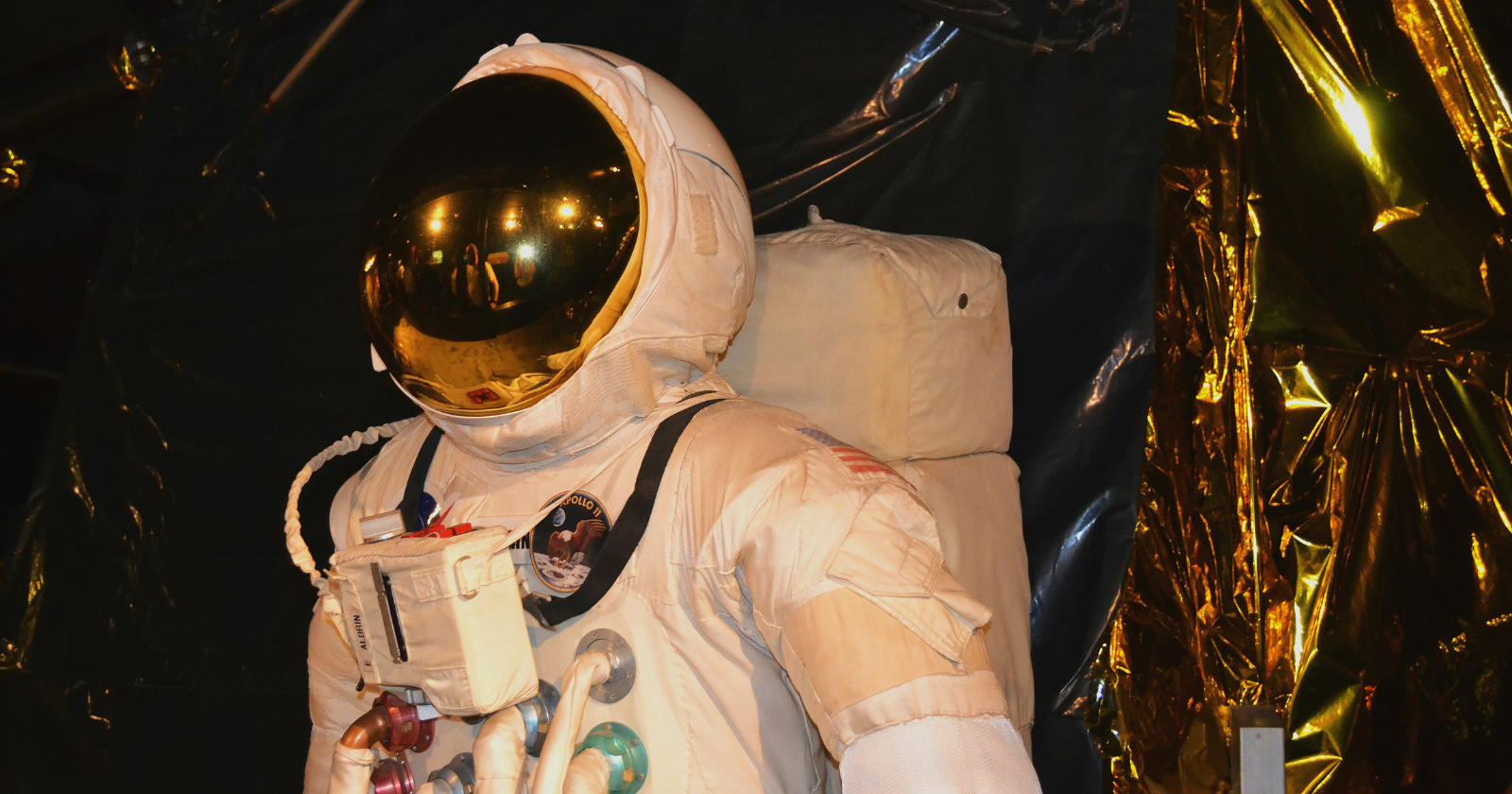
Image: SpaceDaily
Machine-written summary, checked against the sources below
On December 14, 1966, a spacesuit worn by a NASA engineer leaked inside a Houston vacuum chamber, dropping pressure around him to the equivalent of 120,000 feet. He lost consciousness as saliva on his tongue began to boil, but was conscious again within about ninety seconds and suffered nothing worse than a sore ear.
A NASA engineer's spacesuit failed at 120,000 feet, his blood began to boil, and he survived to debunk everything we thought we knew about dying in space. The post On December 14, 1966, a NASA engineer’s spacesuit sprang a leak inside a Houston vacuum chamber and the air pressure around him dropped to the equivalent of 120,000 feet — high enough that the saliva on his tongue began to boil before he blacked out, yet he was conscious again within about ninety seconds and left with nothing worse than a sore ear appeared first on Space Daily .
Summary by SpaceDaily