In 2026, astronomer Samantha Lawler and two colleagues modelled SpaceX’s proposal for one million orbital AI data-centre satellites and found that, if they are launched with the assumed sizes and reflectivity, naked-eye satellites could outnumber visible stars for large portions of the night and year almost everywhere on Earth.
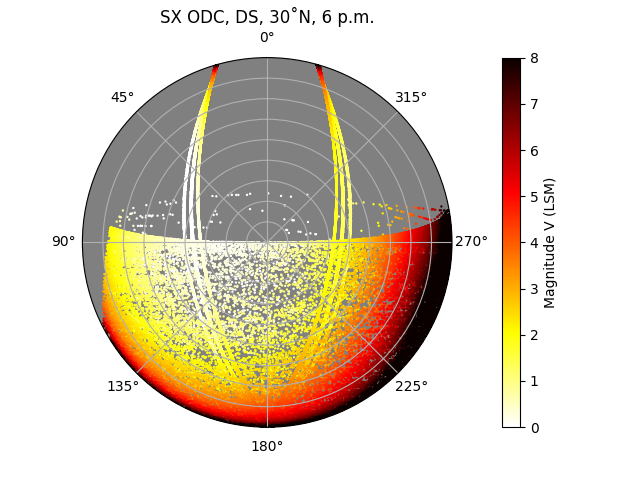
Image: SpaceDaily
Machine-written summary, checked against the sources below
A 2026 study by astronomer Samantha Lawler and two colleagues modeled SpaceX's proposal for one million orbital AI data-center satellites, finding that with the assumed sizes and reflectivity, naked-eye satellites could outnumber visible stars across large portions of the night and year almost everywhere on Earth. Separately, SpaceX marked its 100th Falcon rocket mission of the year by launching 27 Starlink satellites into low Earth orbit from California.
A 2026 preprint models SpaceX’s filed million-satellite orbital data-centre system and finds that its assumed 800 m² spacecraft could dominate the naked-eye sky at many times. The post In 2026, astronomer Samantha Lawler and two colleagues modelled SpaceX’s proposal for one million orbital AI data-centre satellites and found that, if they are launched with the assumed sizes and reflectivity, naked-eye satellites could outnumber visible stars for large portions of the night and year almost everywhere on Earth. appeared first on Space Daily .
Summary by SpaceDaily