A NASA processor now being tested at JPL is performing 500 times faster than the radiation-hardened chips currently used in spaceflight — yet fits in the palm of a hand and could let future spacecraft make AI-powered decisions on their own when communicating with Earth can take 44 minutes round-trip.
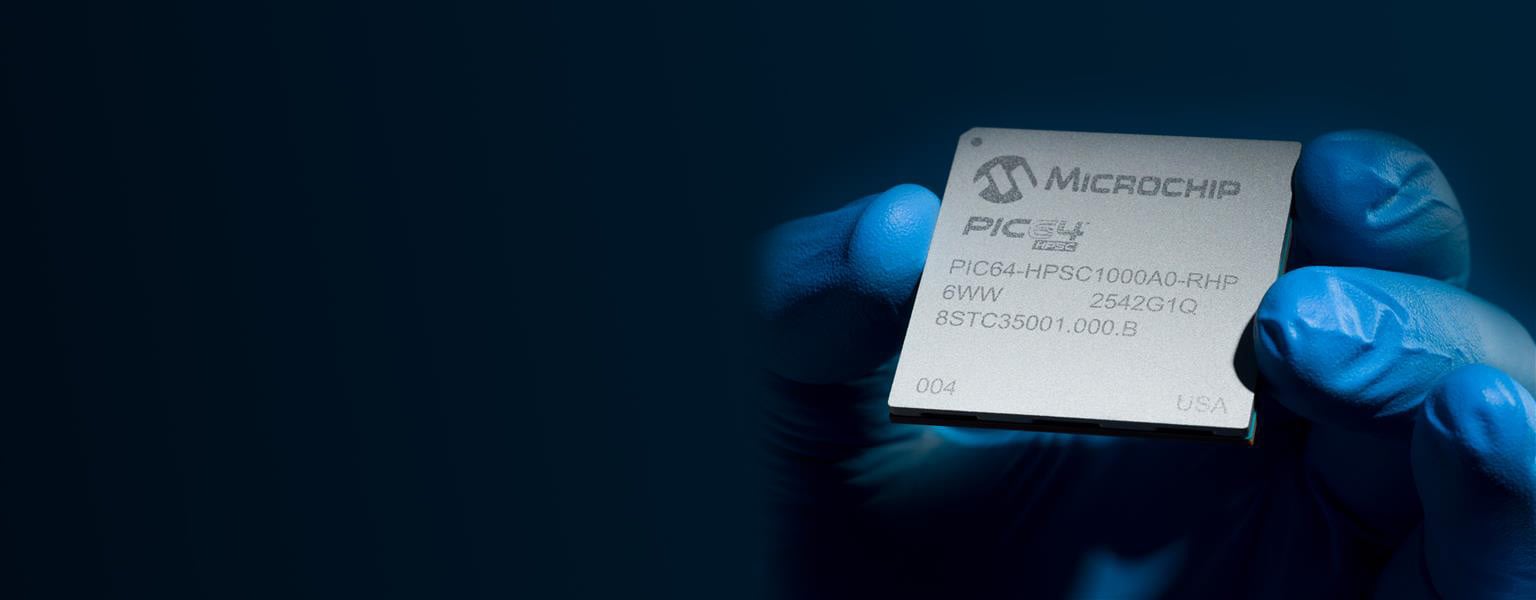
Image: SpaceDaily
Machine-written summary, checked against the sources below
NASA's palm-sized HPSC processor is being tested at JPL, showing performance 500 times faster than radiation-hardened chips currently used in spaceflight. The gains could allow future spacecraft to make AI-powered decisions independently when Earth communication delays reach 44 minutes round-trip, though qualification is still ahead.
NASA's palm-sized HPSC processor is indicating a 500-fold performance gain in JPL tests, with qualification still ahead. The post A NASA processor now being tested at JPL is performing 500 times faster than the radiation-hardened chips currently used in spaceflight — yet fits in the palm of a hand and could let future spacecraft make AI-powered decisions on their own when communicating with Earth can take 44 minutes round-trip. appeared first on Space Daily .
Summary by SpaceDaily