A declassified 1959 US Army feasibility study proposed a twelve-man Moon outpost by November 1966, found the two American missile ranges it surveyed unsuitable for the job, and assumed its Saturn rockets would lift off from an eight-pad equatorial launch site in Brazil
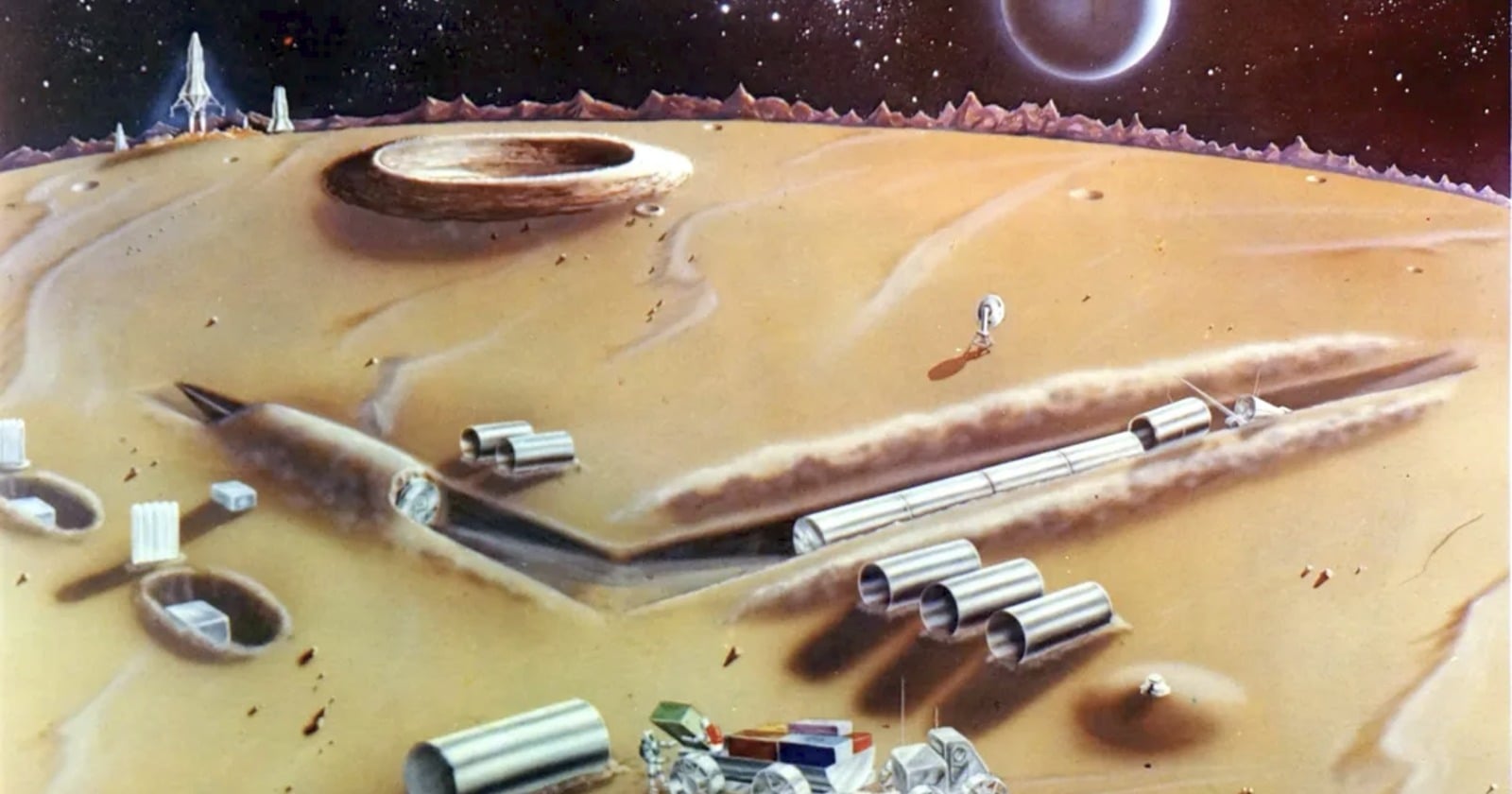
Image: SpaceDaily
Machine-written summary, checked against the sources below
A declassified 1959 US Army feasibility study, Project Horizon, proposed a twelve-man Moon outpost by November 1966, using Saturn rockets launched from an eight-pad equatorial site in Brazil after two American missile ranges were judged unsuitable. Delivered in two volumes within about twelve weeks on an existing budget, the study was passed to NASA by March 1960.
Project Horizon was paid for out of an office's existing budget, because the general who ordered it wrote back that no new money was available, and delivered just under twelve weeks later in two volumes. By March 1960 it had been passed to NASA. Most of its arithmetic is still legible, and where it can be read it matches the summary the Army now publishes on the cargo but not on the rockets. The post A declassified 1959 US Army feasibility study proposed a twelve-man Moon outpost by November 1966, found the two American missile ranges it surveyed unsuitable for the job, and assumed its Saturn
Summary by SpaceDaily