A black fungus that thrives in damp bathrooms and has been found aboard the ISS was the toughest organism in NASA’s new Moon-survival study — even outperforming a bacterium famous for being one of the most radiation-resistant lifeforms on Earth.
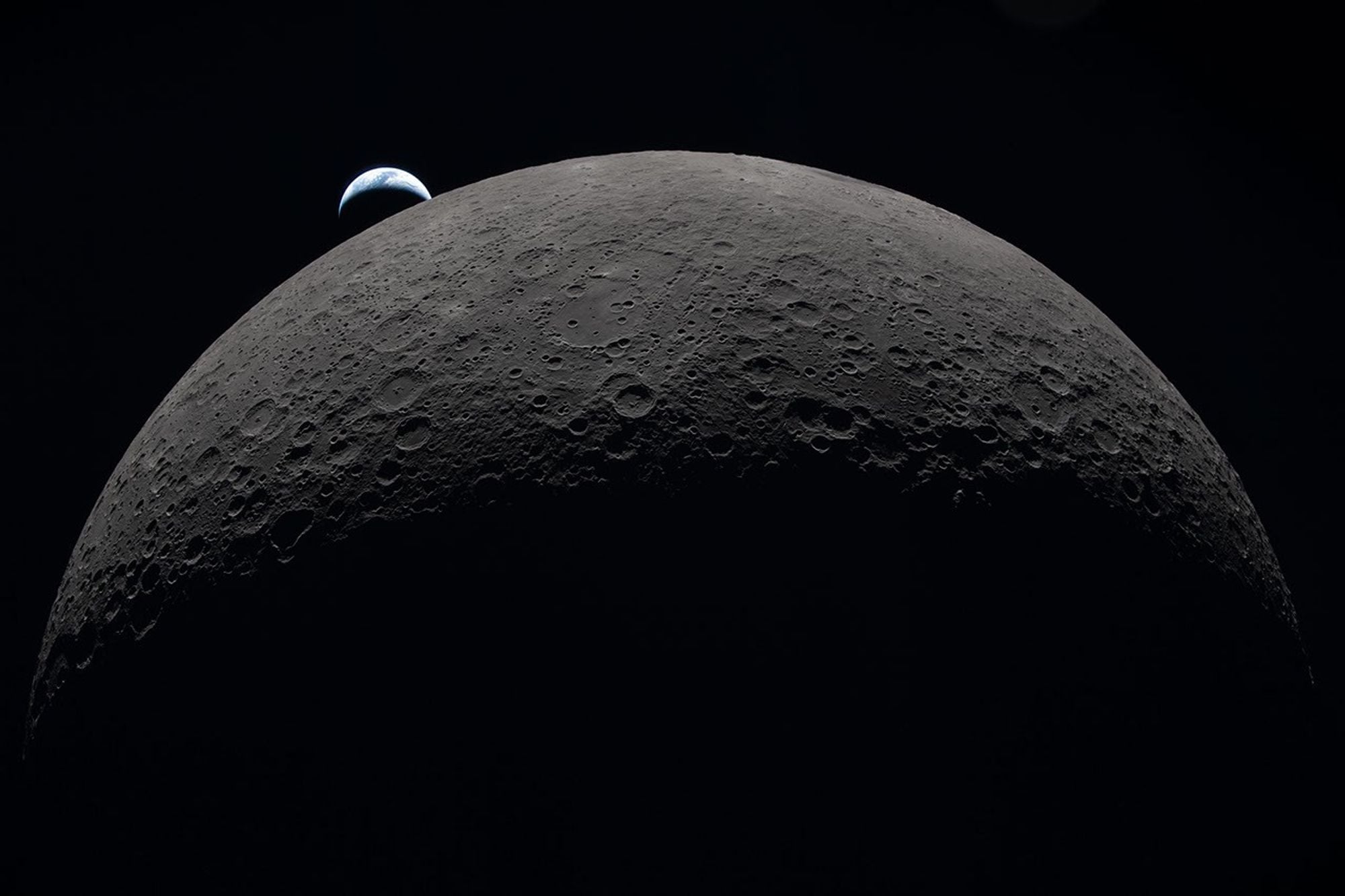
Image: SpaceDaily
Machine-written summary, checked against the sources below
A NASA-led modeling study identified shaded niches near the lunar south pole where Earth microbes could remain viable for days. Aspergillus niger, a black fungus found aboard the ISS, showed the strongest ultraviolet tolerance, even surpassing a bacterium known for radiation resistance, though survival did not mean growth.
A NASA-led model found shaded lunar south-pole niches where Earth microbes could remain viable for days. Aspergillus niger led on ultraviolet tolerance, but survival did not mean growth. The post A black fungus that thrives in damp bathrooms and has been found aboard the ISS was the toughest organism in NASA’s new Moon-survival study — even outperforming a bacterium famous for being one of the most radiation-resistant lifeforms on Earth. appeared first on Space Daily .
Summary by SpaceDaily